 ee4b7305a2
This PR adds all the guides from [Visual
Guides](https://bytebytego.com/guides/) section on bytebytego to the
repository with proper links.

- [x] Markdown files for guides and categories are placed inside
`data/guides` and `data/categories`
- [x] Guide links in readme are auto-generated using
`scripts/readme.ts`. Everytime you run the script `npm run
update-readme`, it reads the categories and guides from the above
mentioned folders, generate production links for guides and categories
and populate the table of content in the readme. This ensures that any
future guides and categories will automatically get added to the readme.
- [x] Sorting inside the readme matches the actual category and guides
sorting on production
1.3 KiB
title, description, image, createdAt, draft, categories, tags
| title | description | image | createdAt | draft | categories | tags | |||
|---|---|---|---|---|---|---|---|---|---|
| Cloud Load Balancer Cheat Sheet | A concise guide to cloud load balancers and their optimal use cases. | https://assets.bytebytego.com/diagrams/0094-cloud-load-balancer-cheatsheet.gif | 2024-03-05 | false |
|
|
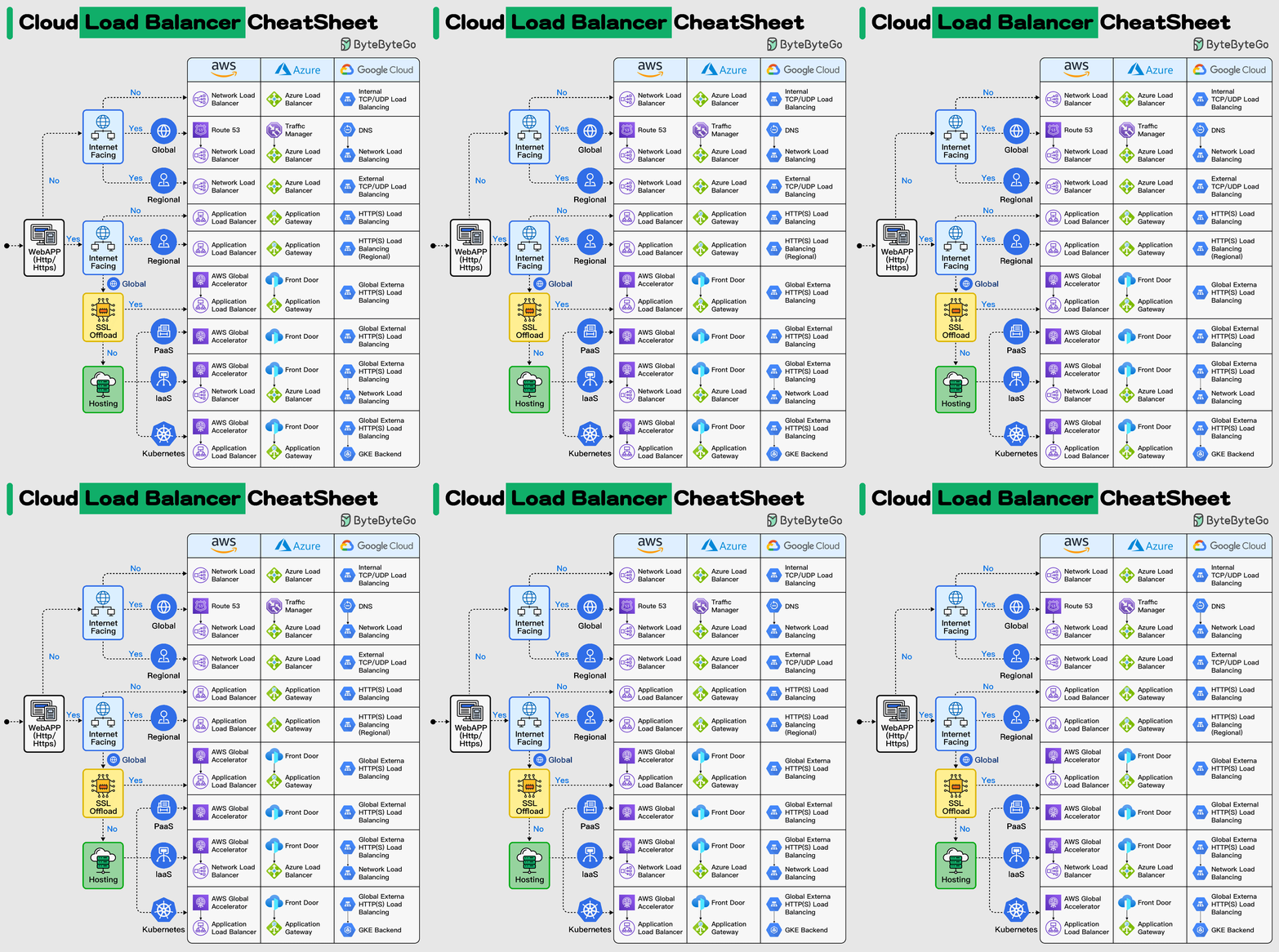
In today's multi-cloud landscape, mastering load balancing is essential to ensure seamless user experiences and maximize resource utilization, especially when orchestrating applications across multiple cloud providers. Having the right knowledge is key to overcoming these challenges and achieving consistent, reliable application delivery.
In selecting the appropriate load balancer type, it's essential to consider factors such as application traffic patterns, scalability requirements, and security considerations. By carefully evaluating your specific use case, you can make informed decisions that enhance your cloud infrastructure's efficiency and reliability.
This Cloud Load Balancer cheat sheet would help you in simplifying the decision-making process and helping you implement the most effective load balancing strategy for your cloud-based applications.