mirror of
https://github.com/ByteByteGoHq/system-design-101.git
synced 2026-04-11 04:17:24 -04:00
 ee4b7305a2
This PR adds all the guides from [Visual
Guides](https://bytebytego.com/guides/) section on bytebytego to the
repository with proper links.

- [x] Markdown files for guides and categories are placed inside
`data/guides` and `data/categories`
- [x] Guide links in readme are auto-generated using
`scripts/readme.ts`. Everytime you run the script `npm run
update-readme`, it reads the categories and guides from the above
mentioned folders, generate production links for guides and categories
and populate the table of content in the readme. This ensures that any
future guides and categories will automatically get added to the readme.
- [x] Sorting inside the readme matches the actual category and guides
sorting on production
960 B
960 B
title, description, image, createdAt, draft, categories, tags
| title | description | image | createdAt | draft | categories | tags | |||
|---|---|---|---|---|---|---|---|---|---|
| Why Meta, Google, and Amazon Stop Using Leap Seconds | Explore why tech giants are moving away from leap seconds. | https://assets.bytebytego.com/diagrams/0363-do-you-know-why-meta-google-and-amazon-all-stop-using-leap-seconds.jpeg | 2024-02-04 | false |
|
|
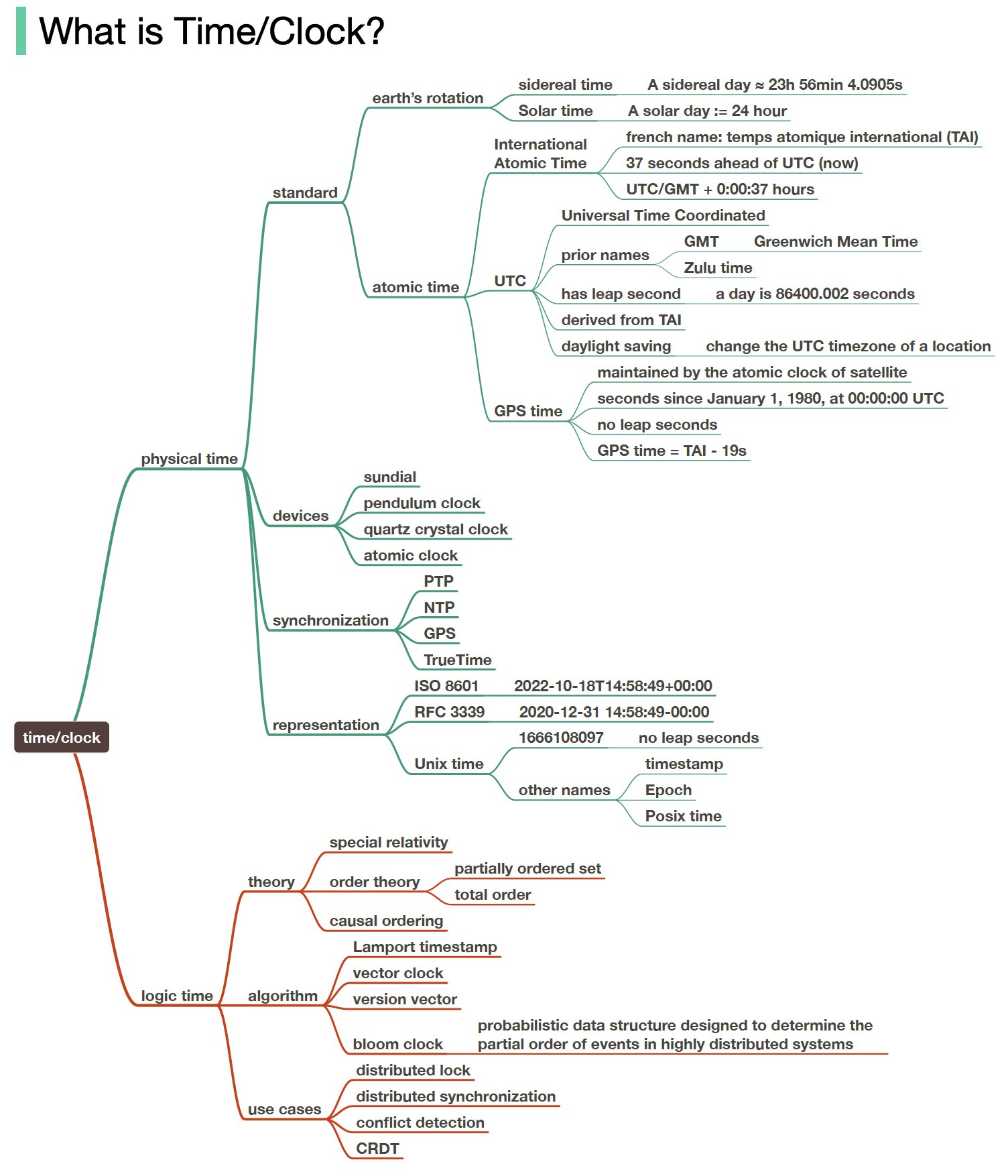
Every few years, there is a special phenomenon that the second after “23:59:59” is not “00:00:00” but “23:59:60”. It is called leap second, which could easily cause time-processing bugs if not handled carefully.
Do we always need to handle leap seconds? It depends on which time representation is used. Commonly used time representations include UTC, GMT, TAI, Unix Timestamp, Epoc time, TrueTime, and GPS time.